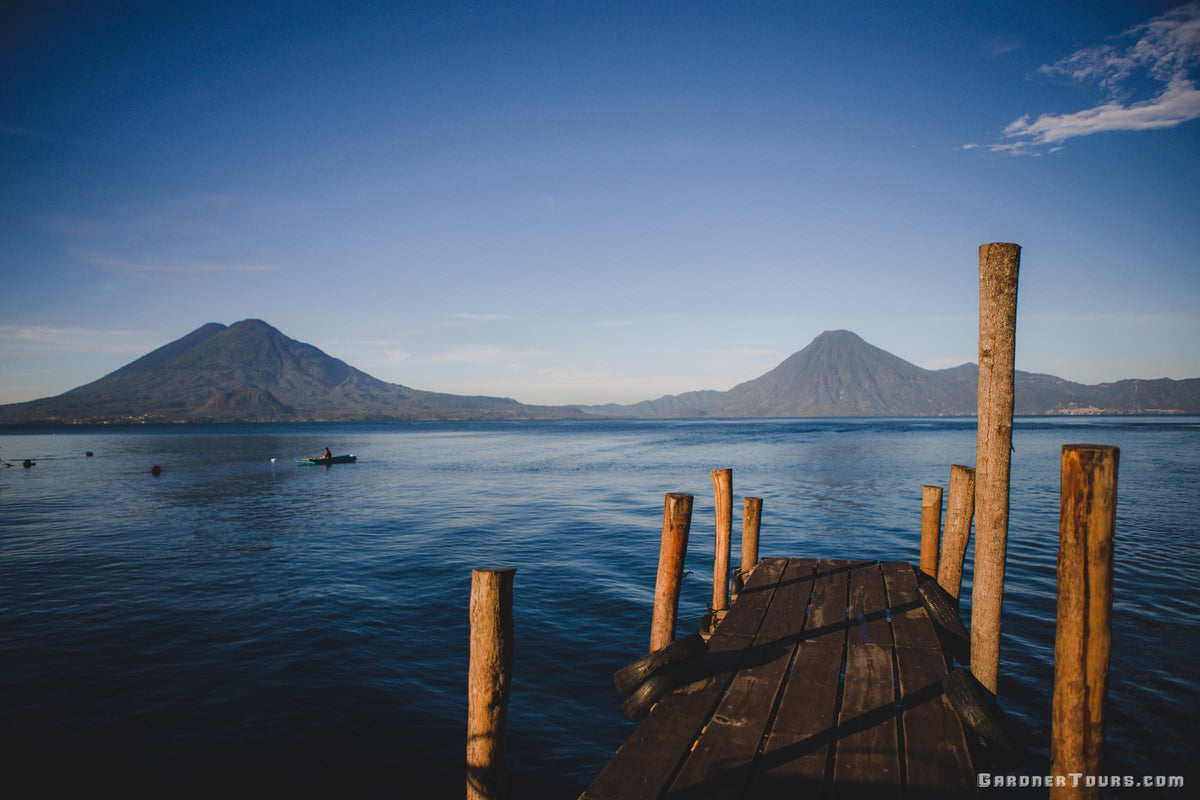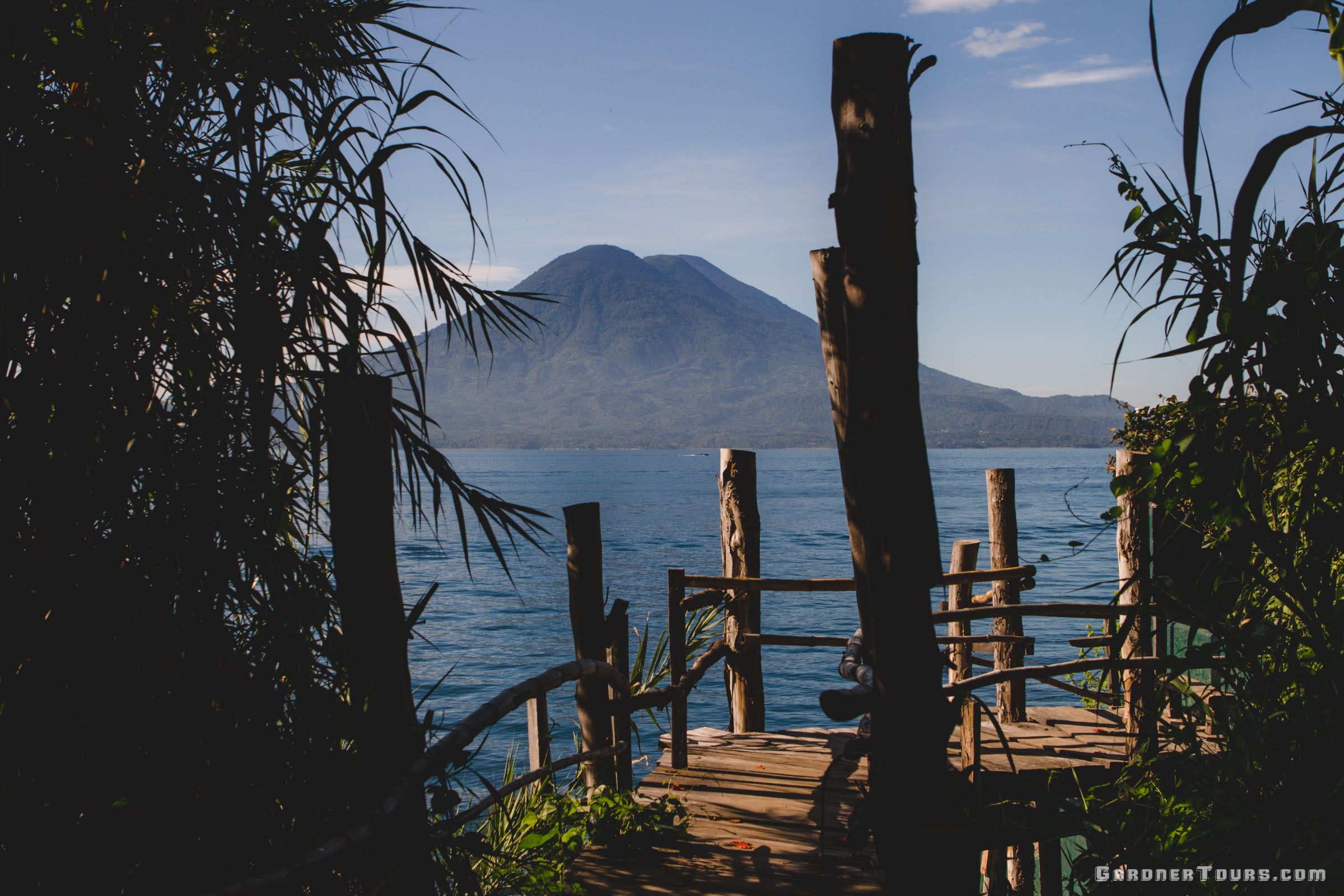

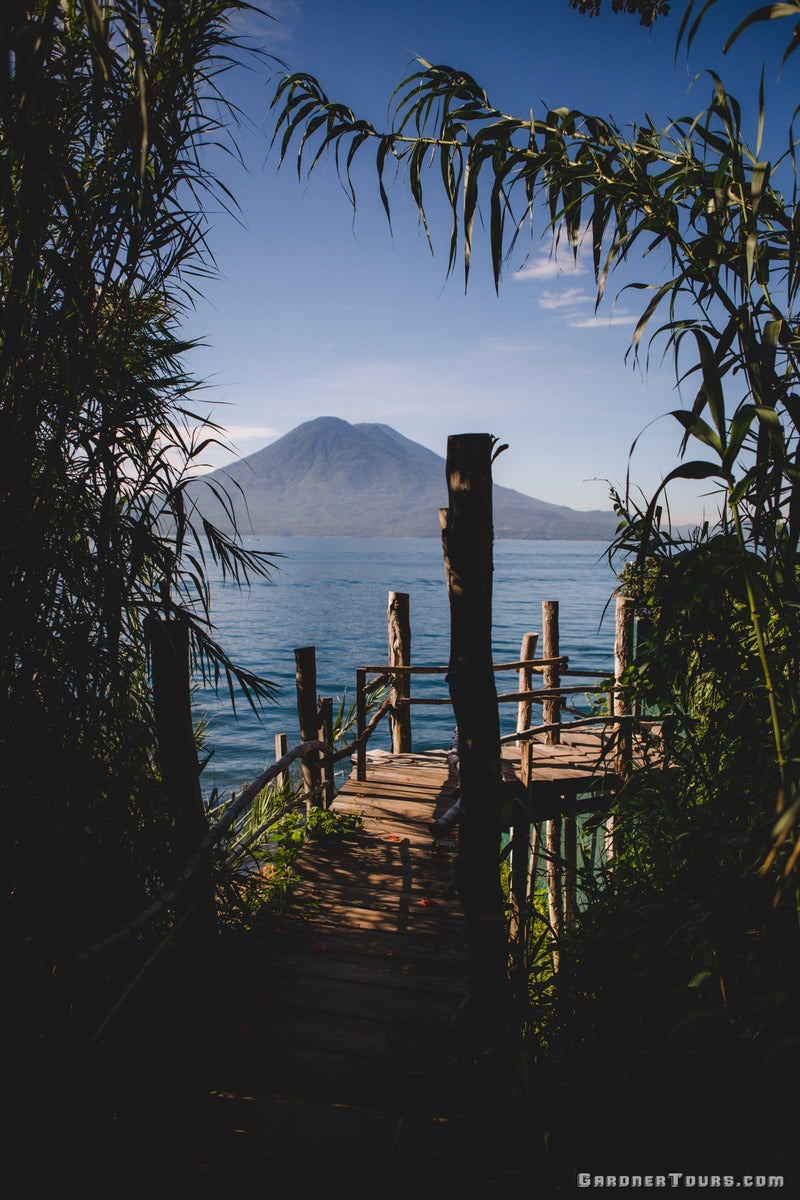
A breathtaking view of a volcano over Lake Atitlan in Guatemala, representing the diverse boutique destinations offered by Gardner Tours.

History & Facts About Guatemala

Please utilize the following information to help you learn a little about Guatemala before your arrival.

Most Intriguing Facts About Guatemala
  • Guatemala is the most populous country in Central America, with over 18 million residents. (Mexico is technically considered part of North America.)
  • Guatemala is home to 37 volcanoes, 3 of which are currently active: Pacaya (last erupted in mid-2021), Fuego (last erupted in August 2026), and Santiaguito (in a state of continuous eruption since 1922).
  • The country’s name comes from the indigenous Nahuatl word Cuauhtemallan, which translates to "Land of Many Trees."
  • The Maya civilization invented the concept of zero, and their mathematical and astronomical achievements remain legendary.
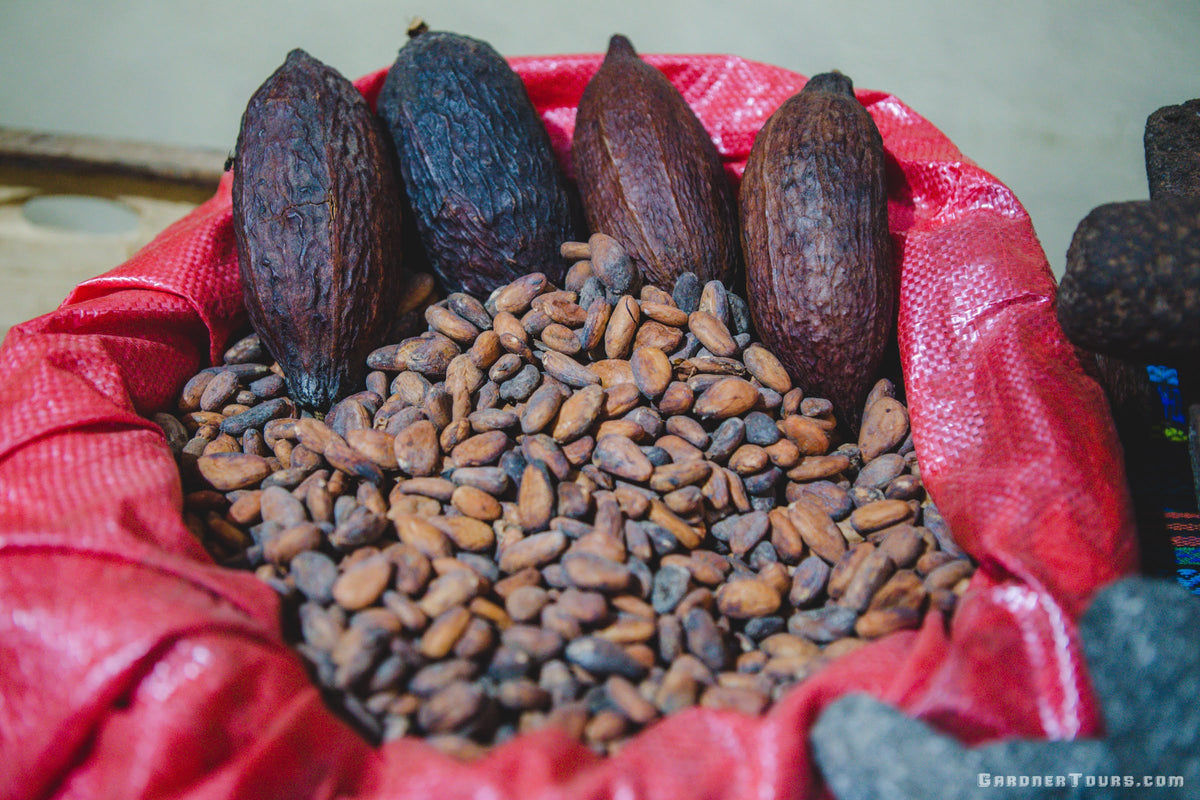
  • Guatemala is widely considered the birthland of chocolate—the Maya were the first to process cocoa beans to make a ceremonial chocolate drink.
  • Denim (blue jeans) was originally dyed using indigo, a major historic export crop of Guatemala.
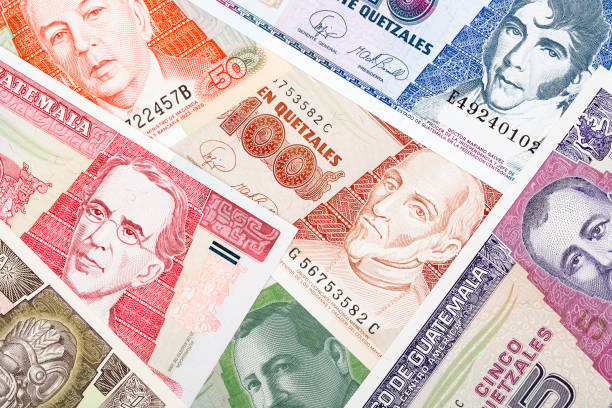
  • The quetzal is Guatemala’s national bird, symbol of freedom, and the name of its national currency.

The Maya & Antigua Cobblestones

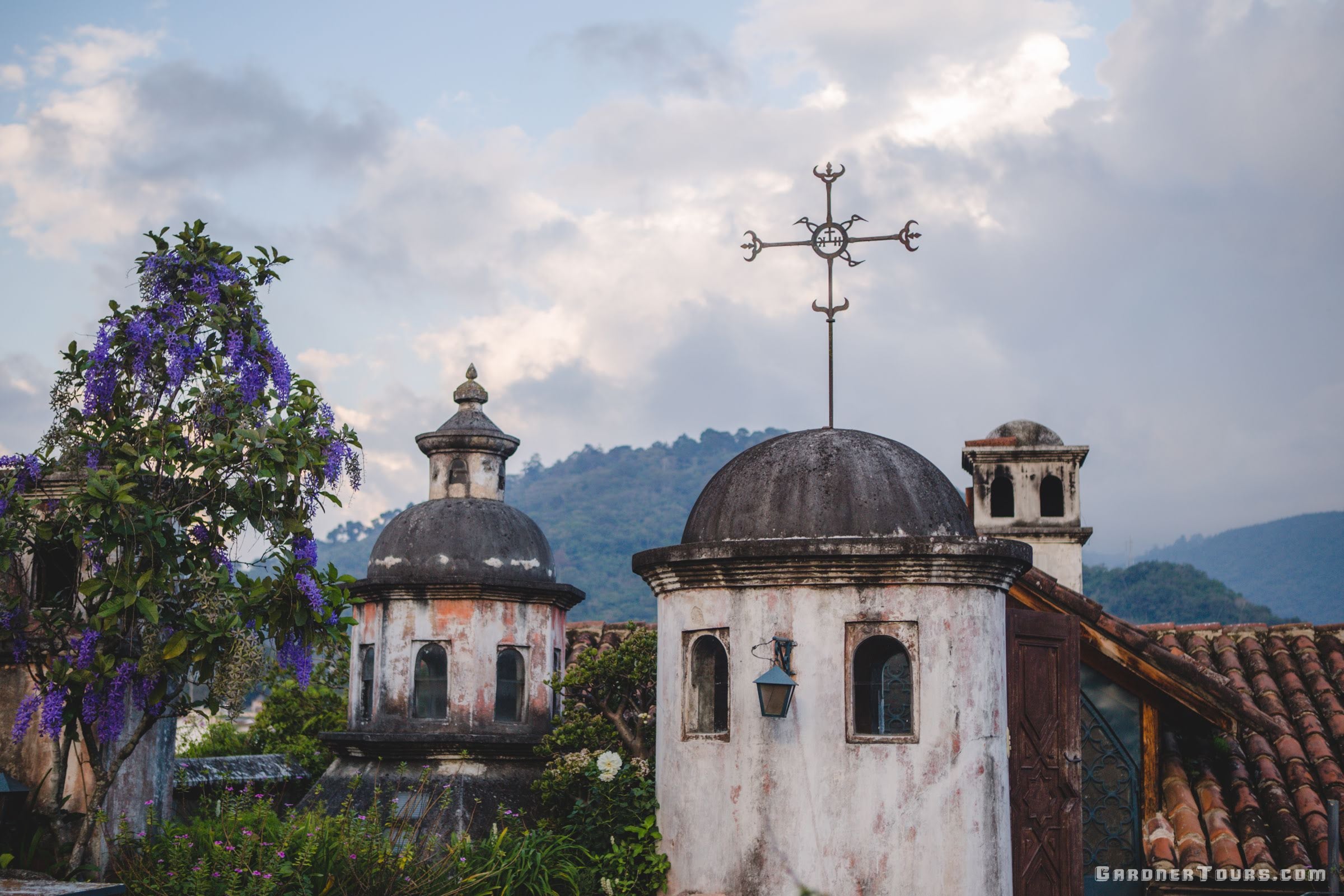
Guatemala’s rich heritage is a vibrant mix of ancient Maya traditions and Spanish colonial history. From the volcanic stone-paved streets of historic Antigua to the colorful traditional textiles worn in the highlands, living history surrounds you everywhere you go. It is said that a large portion of Guatemala is still living in the ancient Mayan world.

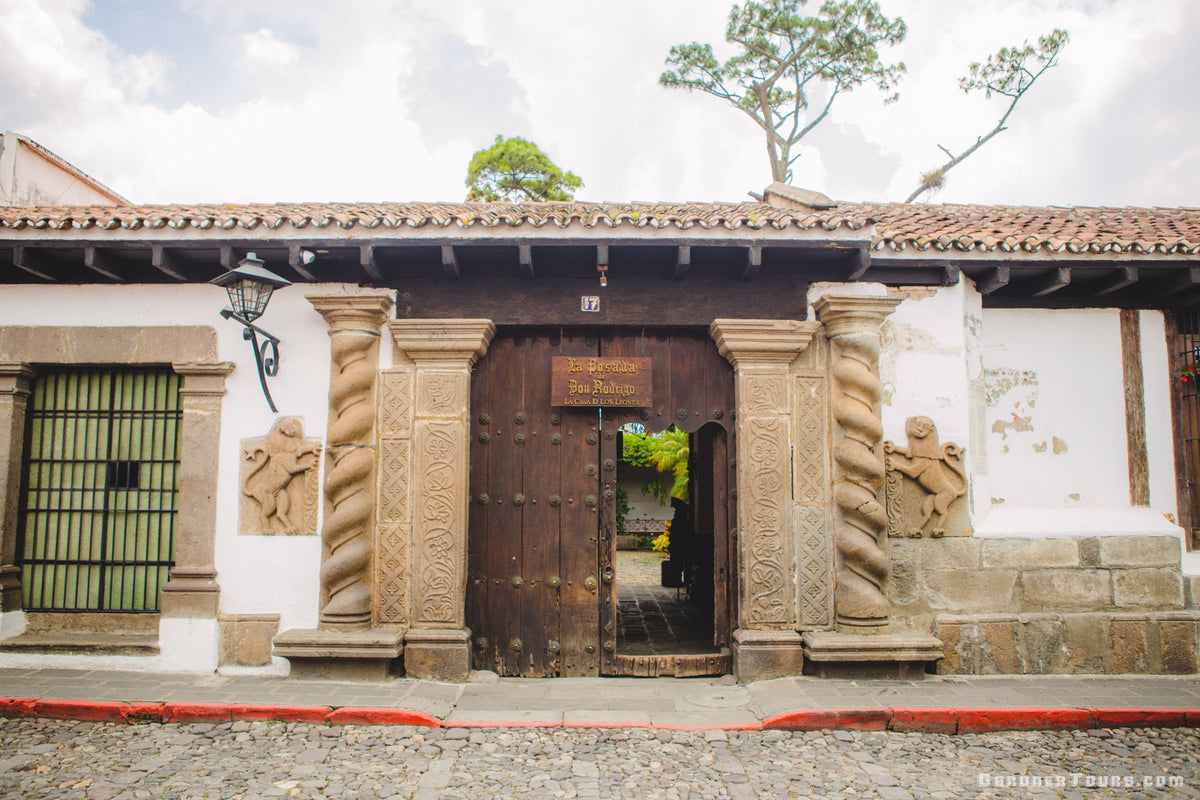
The entrance to a historic colonial-style building featuring a large dark wooden double door, carved stone pillars, a tiled roof, and a cobblestone street in Antigua, Guatemala.

Earthquake-Proof Columns

Notice these massive, twisted Solomonic spiral pillars. After devastating earthquakes routinely leveled colonial Antigua in the 17th and 18th centuries, local stonemasons created a thick, low-slung architectural style called Barroco Antigueño—building heavy columns close to the ground to keep structures standing through seismic activity.

The Colonial Wicket Door (Postigo)

The massive outer wooden gates were studded with iron for defense and only opened for horses and carriages. Everyday guests stepped through this smaller door-within-a-door (postigo), preserving the home's indoor warmth and keeping the family's central garden courtyard private from the street.

Social & Economic Facts

  • Guatemala is home to 21 distinct Maya ethnic groups, each with its own unique language, traditional attire (traje), and weaving patterns.
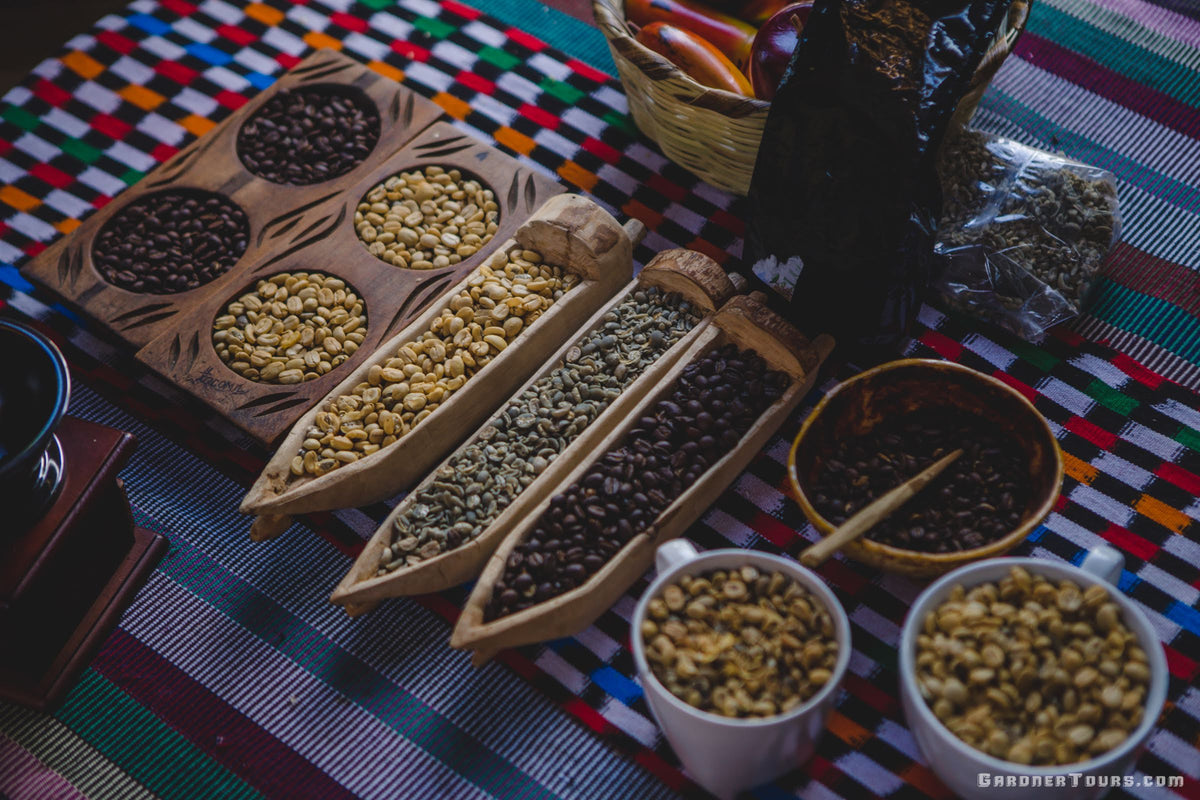
  • Agriculture remains a major pillar of the economy—Guatemala is one of the top producers of high-quality Arabica coffee, cardamom, bananas, and raw sugar.
  • Over 40% of the population identifies as indigenous Maya, making Guatemala one of the most culturally intact indigenous nations in the Americas.
  • While Spanish is the official national language, 22 Mayan languages (such as K’iche’, Kaqchikel, and Q’eqchi’) are officially recognized across the country.
  • Coffee farming sustains hundreds of thousands of families. Gardner Tours intentionally partners with local coffee farms, indigenous weaving cooperatives, and local guides to ensure tourism dollars go directly to families and local communities.

Religious Facts About Guatemala

  • The primary religions in Guatemala are Catholicism, Evangelical Protestantism, and traditional Maya spirituality.
  • Guatemala has one of the highest percentages of Evangelical Christians in Latin America (estimated between 40% and 45%).
  • Many indigenous communities practice a unique syncretism—blending traditional Maya rituals and reverence for nature with Catholic traditions.
  • Antigua hosts one of the largest and most famous Semana Santa (Holy Week) celebrations in the world, featuring elaborate street carpets (alfombras) made of dyed sawdust and flowers.

Guatemalan Government

  • Guatemala is a presidential representative democratic republic.
  • Guatemala declared independence from Spain on September 15, 1821, alongside its Central American neighbors.
  • The country endured a 36-year civil war (1960–1996) between government forces and leftist guerrilla groups, which ended with the signing of the historic Peace Accords in December 1996.
  • Today, Guatemala is a growing democratic nation working toward greater transparency, economic opportunity, and historic reconciliation.

Outdoors & Wildlife

  • Lake Atitlán, formed in a massive volcanic caldera, was described by author Aldous Huxley as "the most beautiful lake in the world."
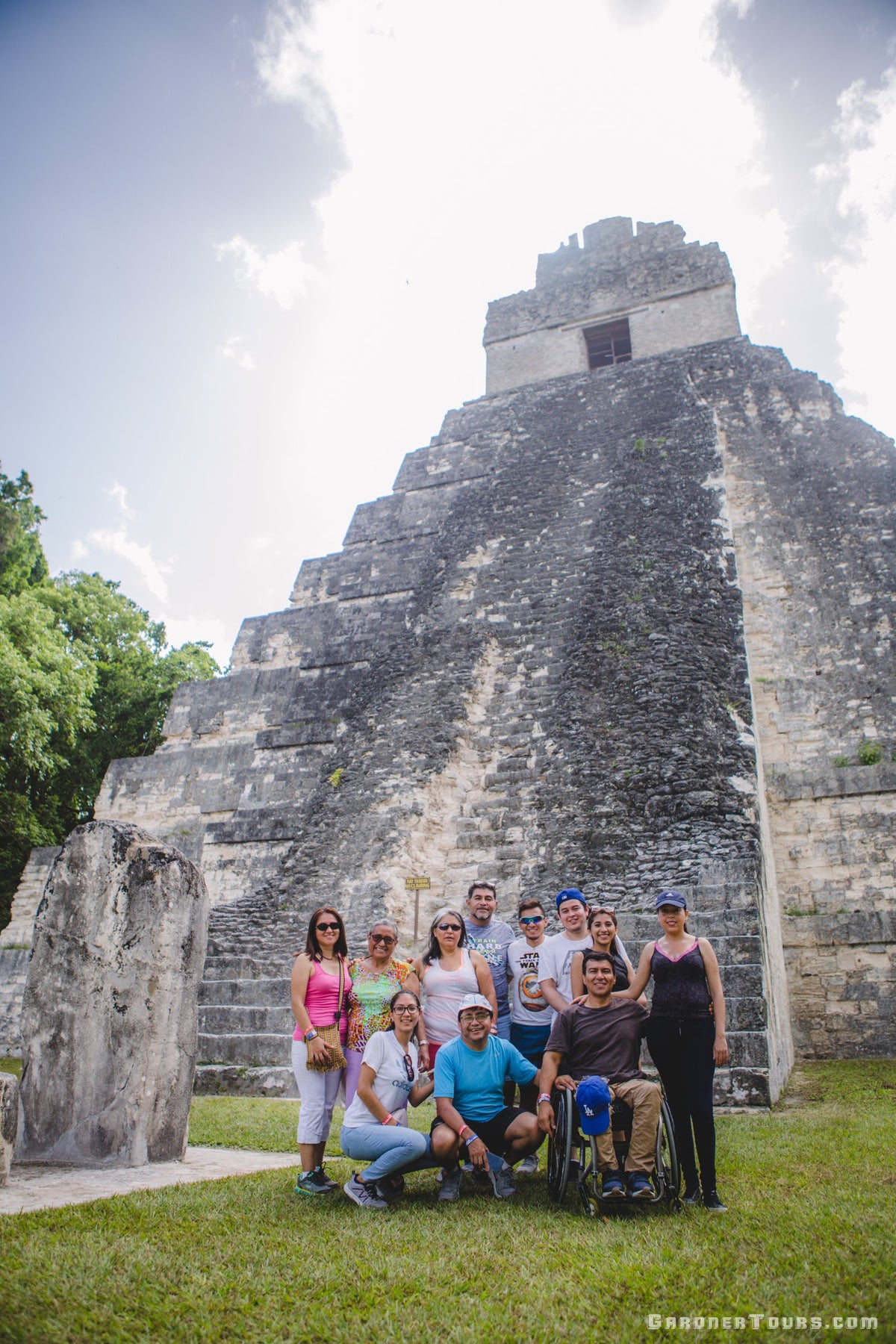
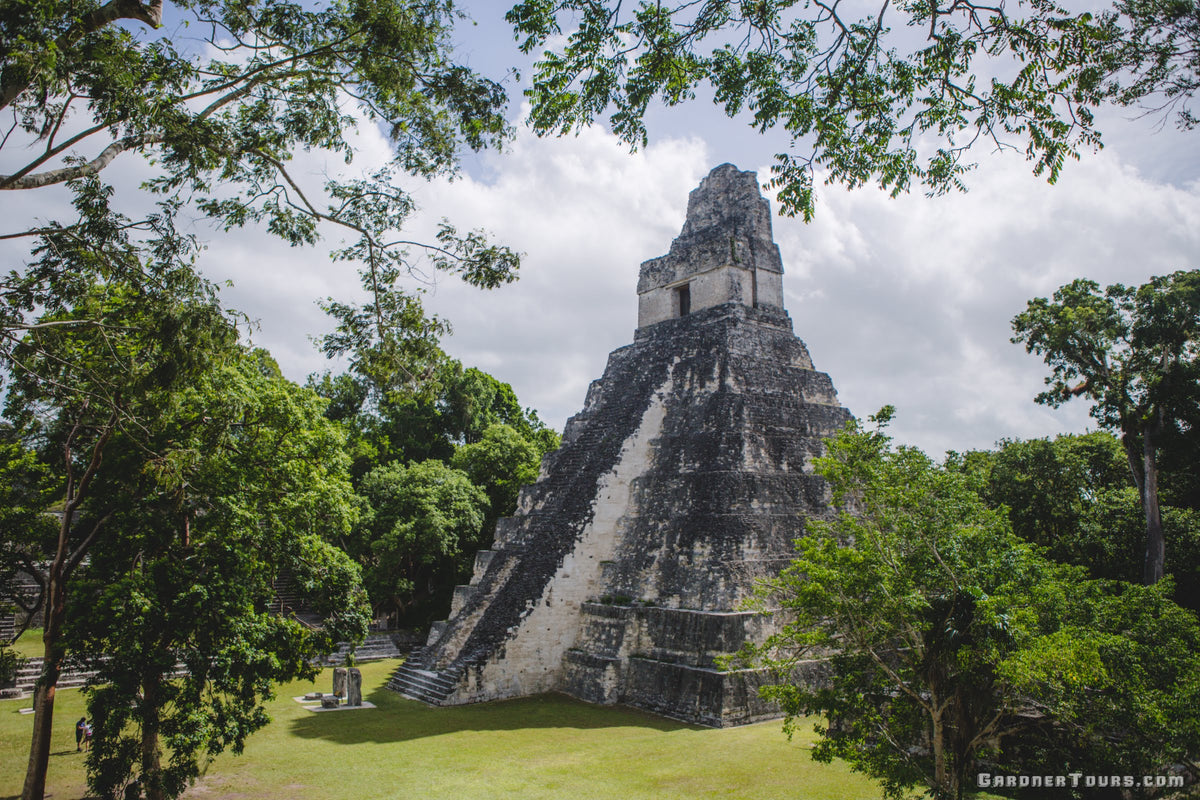
  • Tikal National Park in the northern Petén region is a UNESCO World Heritage Site featuring ancient Maya pyramids rising above a dense tropical rainforest canopy.
  • Guatemala's rainforests are home to howler monkeys, spider monkeys, jaguars, toucans, and tapirs.
  • Tajumulco Volcano, located in western Guatemala, is the highest peak in Central America at 13,845 feet (4,220 meters). Note: Mexico is technically a part of North America.
Group of tourists posing in front of a large stone Mayan Pyramid temple with greenery around.

Early Guatemalan History

Long before European arrival, the Maya civilization flourished in Guatemala during the Classic Period (250 AD – 900 AD). They built magnificent stone cities like Tikal, El Mirador, and Yaxha, and developed advanced writing systems, mathematics, and astronomy.

In 1524, Spanish conquistador Pedro de Alvarado arrived in Guatemala. The Spanish conquered the region, defeating local Maya kingdoms, and established Antigua Guatemala (then known as Santiago de los Caballeros) as the colonial capital of Central America for over 200 years.

After a devastating earthquake damaged Antigua in 1773, the Spanish moved the capital to its present location, Guatemala City. Guatemala gained independence from Spain in 1821.

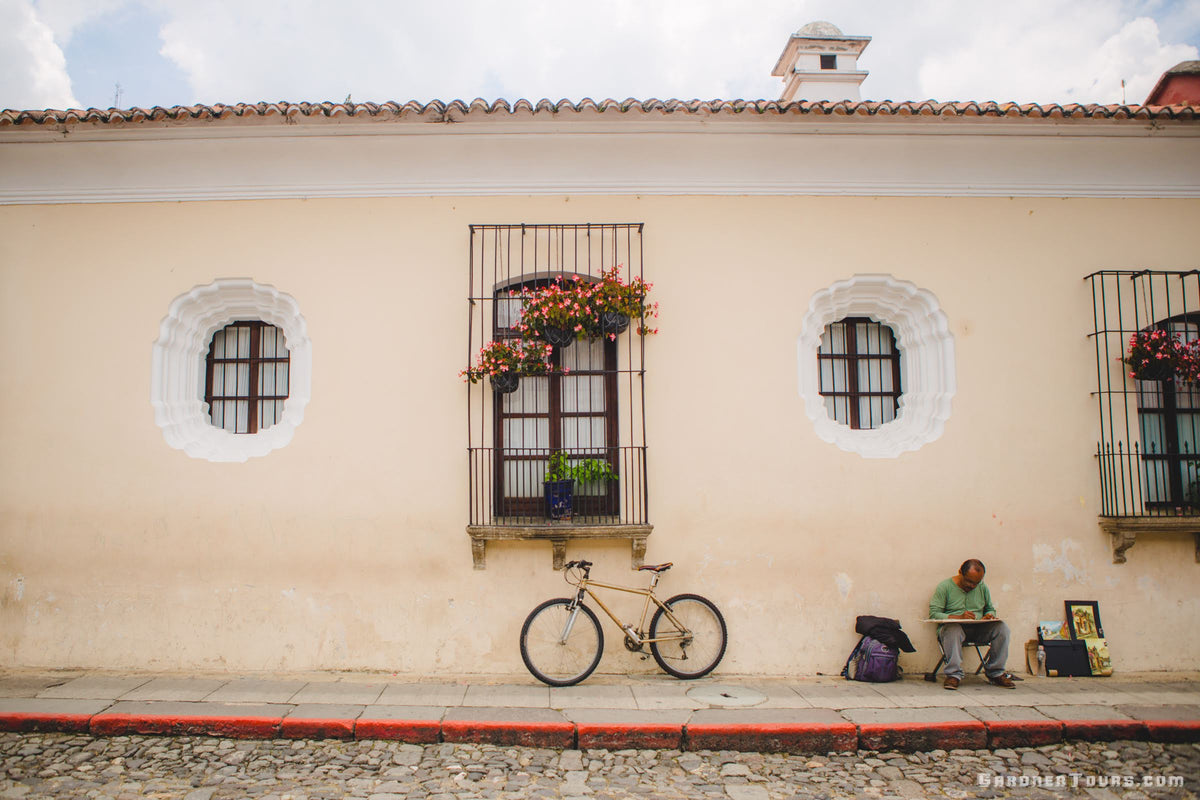
Beautiful Street with Bicycle Leaning against a House and an Artist painting while sitting on a stool in Antigua, Guatemala

Modern Guatemala

Following independence and the dissolution of the Federal Republic of Central America in 1839, Guatemala experienced alternating periods of military rule and democratic reform. The 20th century saw significant political turmoil, including the 36-year civil war (1960-1996).

Since the 1996 Peace Accords, Guatemala has experienced a quiet renaissance. While economic challenges remain, Guatemalans are world-renowned for their warmth, generosity, and resilience.

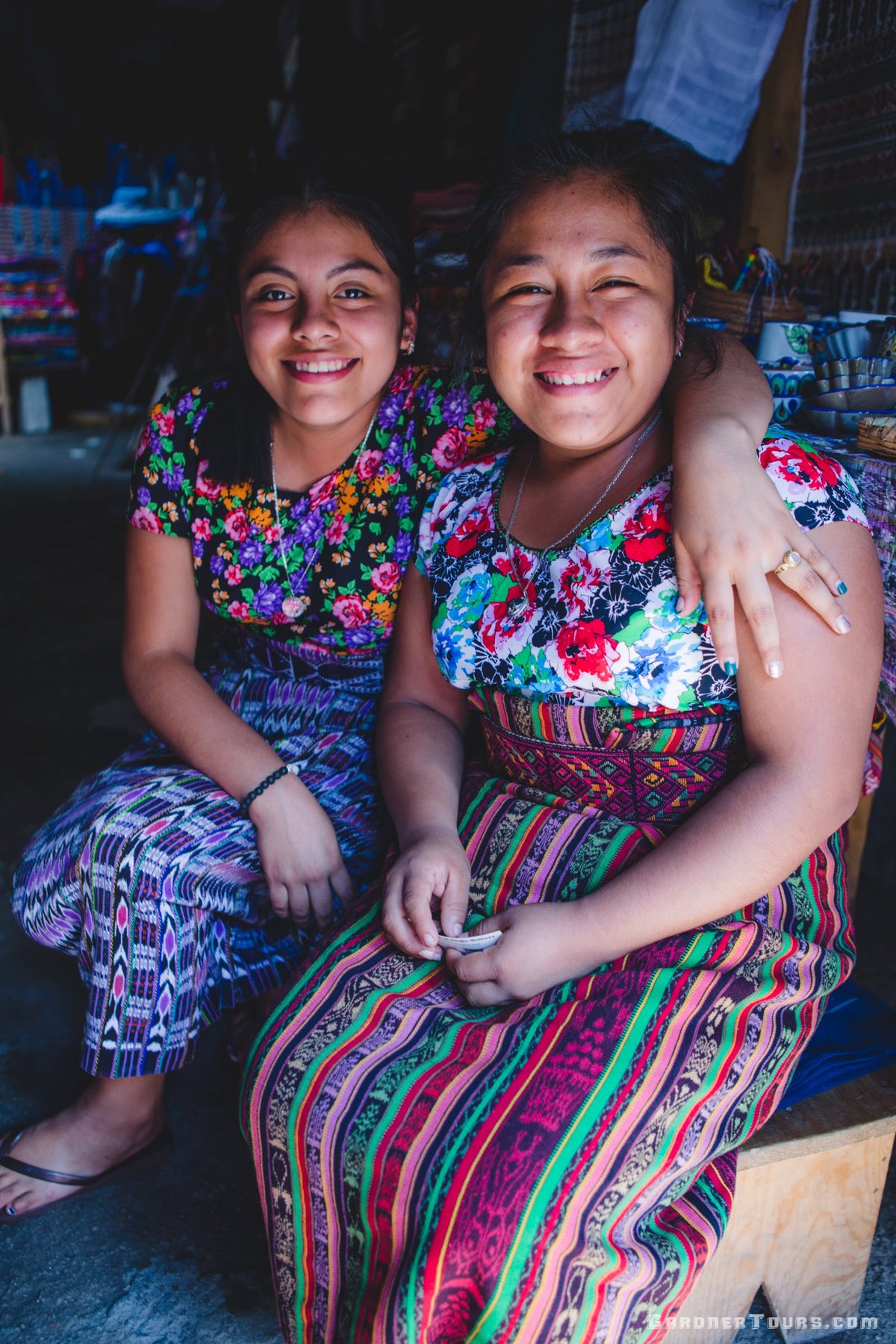
Two Mayan Girls Posing Together in their Traditional Clothing in San Juan La Laguna Lake Atitlan, Guatemala

Guatemala Today

Today, Guatemala is a captivating blend of living ancient history, majestic landscapes, and incredible hospitality. From the tranquil shores of Lake Atitlán framed by three towering volcanoes to the colorful street markets of Chichicastenango, visitors are welcomed like family.

Through all of Guatemala’s history, you will find a people proud of their heritage, deeply rooted in faith and family, and eager to welcome you into their culture. We can’t wait to share it with you!

We are looking forward to serving you!

If you have any questions, please contact us!

Please utilize the following pages in preparation for your tour.